

Two of the most popular fan styles for modern homes — the bladeless fan and the tower fan — look quite different and come in very different price brackets. But how do they actually compare when it comes to cooling performance, noise, and everyday practicality? Here's an honest side-by-side comparison.
What is a tower fan?
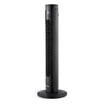
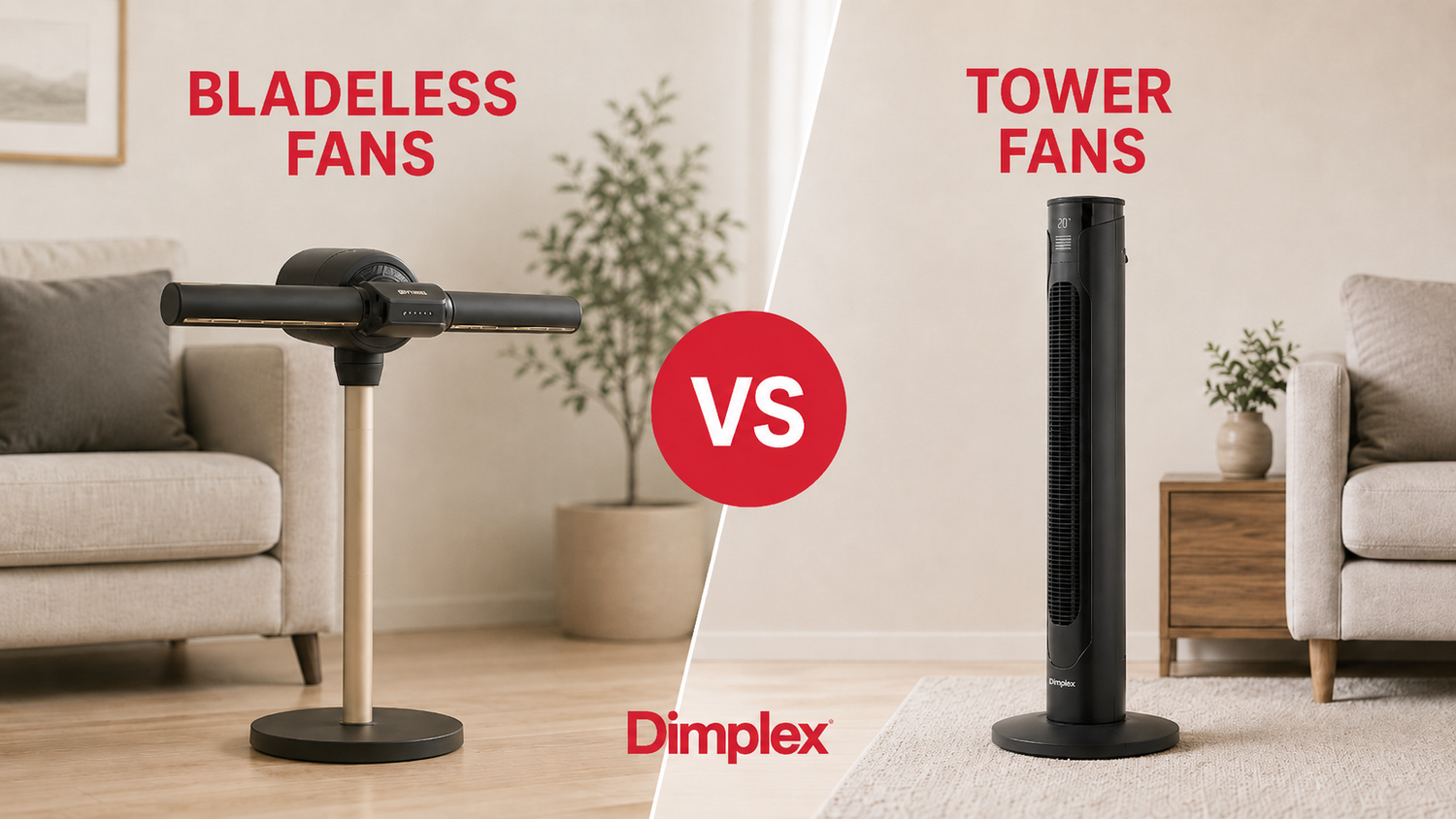
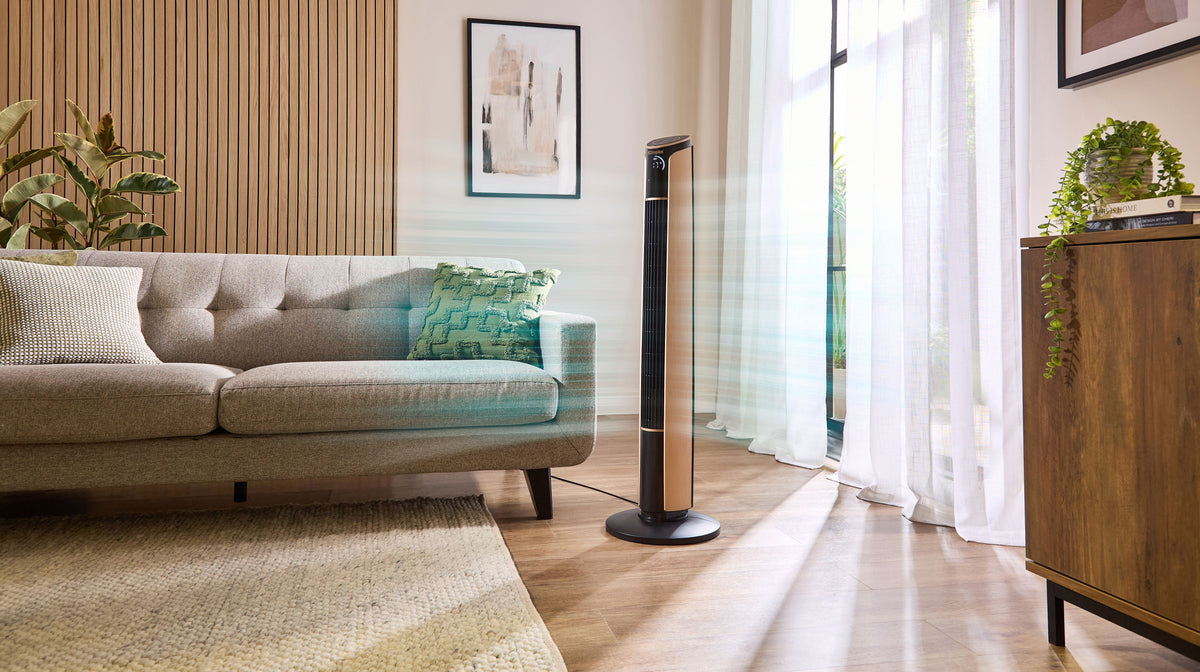
A tower fan is a tall, slim unit that uses a cylindrical set of rotating blades to draw air in and project it forward. Most tower fans oscillate, have multiple speed settings, and include features like timers and remote controls. They're widely available at a range of price points.
What is a bladeless fan?
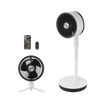
A bladeless fan draws air through a motorised base and projects it through a narrow aperture in a hollow loop or ring at the top, creating a smooth, amplified stream of air without exposed blades. The technology was popularised by Dyson and has since been adopted by other manufacturers. Bladeless fans are typically more expensive than comparable tower fans.
Cooling performance
Both fan types can effectively cool a room, but they do so slightly differently. Tower fans tend to deliver a stronger, more direct airflow — useful if you want to feel the breeze across a larger distance. Bladeless fans produce smoother, more consistent airflow that feels gentler on the skin, which many people prefer for prolonged use in offices or bedrooms.
For raw cooling power in a large room, a quality tower fan will often outperform a similarly priced bladeless fan. But for personal comfort and smooth background cooling, bladeless fans are hard to beat.
Noise levels
Tower fans can be noisy at higher speeds — the blade mechanism and housing design mean some air turbulence is inevitable. At low speeds, many modern tower fans are very quiet, but there's usually an audible hum at higher settings.
Bladeless fans are generally quieter across all speed settings, particularly at medium and low speeds. The enclosed motor and smooth airflow mechanism produce less turbulence noise, which makes them a popular choice for light sleepers and home offices.
Winner: Bladeless fans, particularly at mid-to-high speeds.
Safety
This is where bladeless fans have a clear advantage. With no exposed blades, there's no risk of injury from curious fingers or pets. Tower fans do have an enclosed mechanism, the blades sit inside the grille, but the apertures are large enough to be a risk with small objects or small hands.
Winner: Bladeless fans, especially in homes with young children or pets.
Cleaning and maintenance
Tower fans accumulate dust on their internal blades over time, which requires periodic cleaning through the grille — often with compressed air or a soft brush. Bladeless fans have smooth internal and external surfaces with no accessible blades, making them significantly easier to clean. A wipe-down with a damp cloth is usually all that's needed.
Winner: Bladeless fans.
Price
Tower fans are available at almost every price point, from budget options under £60 to premium models with full smart home integration. Bladeless fans start at around £150–£200 for entry-level models and can exceed £500 for top-tier units.
If budget is a priority, a quality tower fan will deliver excellent performance at a fraction of the cost of a bladeless model.
Winner: Tower fans for value.
Which should you choose?
Choose a bladeless fan if: safety around children or pets is a priority, you want the quietest possible operation, and you're happy to invest more upfront.
Choose a tower fan if: you want strong airflow at a lower price, you need to cool a larger room, or you want the best value for money.
Find both at Dimplex
Whether you're drawn to the clean lines of a bladeless fan or the powerful performance of a tower fan, Dimplex has options to suit every home and budget. Browse the full range at shopdimplex.com.
Shop bladeless fans and tower fans at shopdimplex.com

Leave a comment
This site is protected by hCaptcha and the hCaptcha Privacy Policy and Terms of Service apply.